Email:
info@isothermalengineering.co.ke
Phone:
+254 720 686 454
Location:
KCB Building, Enterprise Road, Industrial Area
Nairobi, Kenya
Email:
info@isothermalengineering.co.ke
Phone:
+254 720 686 454
Location:
KCB Building, Enterprise Road, Industrial Area
Nairobi, Kenya

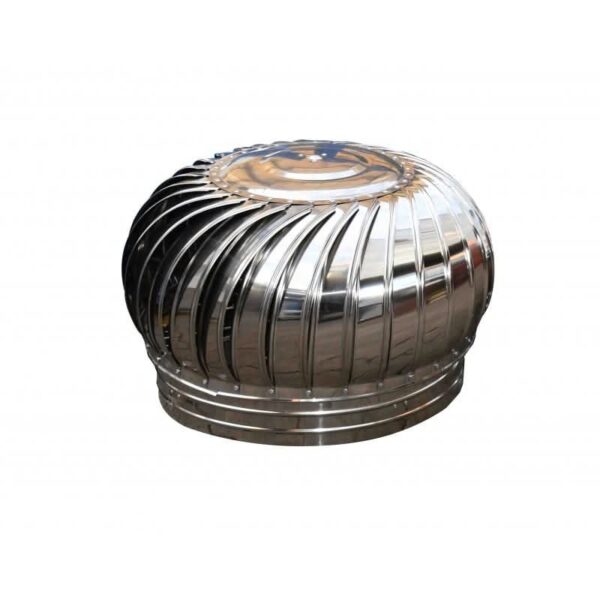
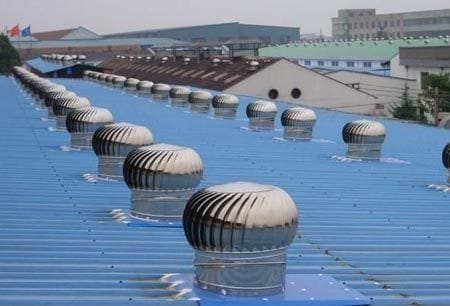

Wind Turbine Roof Ventilator
A wind-driven roof ventilator that extracts hot, stale air from industrial and commercial buildings using natural wind power and the stack effect — no electricity required. Built from durable galvanized steel, aluminum, or stainless steel, with sealed ball bearings for smooth, low-maintenance operation. Supplied and installed by Isothermal Mechanical Engineering across East Africa, it reduces indoor temperatures, cuts cooling costs, and protects roof structures from heat and moisture damage.
Wind Turbine Roof Ventilators
Isothermal Mechanical Engineering supplies and installs roof ventilators across East Africa, including turbine (whirlybird) and static/louvered systems. These ventilation solutions are suitable for industrial sheds, warehouses, factories, agricultural buildings, workshops, and commercial facilities.
The company provides complete ventilation solutions, from site assessment and ventilation calculations to supply, professional installation, weatherproofing, and maintenance.
A wind turbine roof ventilator, also known as a turbine ventilator or whirlybird, is a dome-shaped rotating ventilation device installed on a building’s roof.
It uses wind energy and the natural stack effect of rising hot air to extract hot, stale, humid air from inside a building. Because it does not require an electric motor, it can operate without direct electricity consumption.
These ventilators are particularly useful for buildings where heat, humidity, stale air, and trapped roof-space temperatures need to be reduced.
The operation of a turbine roof ventilator is based primarily on wind movement and natural air buoyancy.
| Component | Function |
|---|---|
| Rotor/Head (Vanes) | Curved blades that capture wind from different directions and convert it into rotational movement. |
| Turbine Base/Throat | Connects the turbine to the roof opening or duct and is designed to suit the roof configuration. |
| Spindle & Bearings | The central shaft and bearings allow smooth, low-friction rotation. |
| Bird/Rain Guard Mesh | Helps prevent birds, debris, and rain from entering while allowing airflow. |
| Flashing/Roof Curb | Provides a weatherproof connection between the ventilator and roof surface. |
| Upper & Lower Bearing Assembly | Helps maintain shaft alignment and reduce wear during operation. |
Common turbine diameters include:
Generally, larger turbine diameters can provide greater air extraction capacity, depending on design and operating conditions.
Wind turbine ventilators can be manufactured using different materials depending on the application and environmental conditions:
The source indicates an approximate extraction range of 300–3,000+ CMH (cubic meters per hour), depending on turbine size and wind conditions.
Common bearing arrangements include:
The source indicates that turbine ventilators can become effective from approximately 3–5 km/h of wind, with performance generally increasing as wind speed increases.
Typical rotational speeds are approximately 100–500+ RPM, depending on wind conditions and turbine design.
Different base configurations may be used depending on the roof:
The source indicates compatibility with roof angles of approximately 5°–45°.
Wind turbine ventilators offer several benefits for suitable buildings:
Because the turbine uses wind energy rather than an electric motor, it does not require direct electrical power for operation.
With no electric motor consuming power, operating costs can be very low.
Turbines equipped with sealed bearings can require relatively little maintenance, although periodic inspection and servicing remain important.
Wind-driven turbines operate without motor noise, making them suitable for industrial and commercial environments where low-noise ventilation is desirable.
The turbine can continue to extract air whenever there is sufficient wind movement or a temperature differential that produces a stack effect.
Turbine ventilators can be installed on many metal and sheet-roof structures when the roof opening, flashing, and base are properly designed.
By removing hot air from roof spaces, turbine ventilation can help reduce indoor heat buildup and potentially reduce cooling requirements.
Wind turbine roof ventilators are suitable for a wide range of buildings and facilities, including:
Correct installation is essential for effective ventilation and protection against water ingress.
The required number and size of ventilators should be determined according to factors such as:
Ventilators should generally be positioned where they can effectively access hot air and receive suitable airflow. The source recommends placement at the highest point of the roof for maximum wind exposure and heat extraction.
The turbine base should be compatible with the roof slope. Proper matching helps create an effective weatherproof seal.
The roof opening should be correctly sized and properly flashed to prevent water leakage.
For large buildings, several turbines may be required. They should be positioned appropriately to provide more uniform air extraction throughout the building.
Periodic bearing inspection and lubrication should form part of a suitable maintenance program, particularly in dusty or demanding environments.
The turbine ventilators supplied by Isothermal Mechanical Engineering operate using wind and natural air movement rather than electricity. This can provide continuous passive ventilation without adding motor-related electricity consumption.
The company provides ventilation solutions suited to different roof types and climatic conditions across East Africa, including areas experiencing coastal humidity and inland heat.
Isothermal Mechanical Engineering provides more than the supply of ventilation units. Services include:
Ventilators can be supplied in galvanized steel, aluminum, and stainless steel to suit different environmental requirements.
For coastal, humid, or corrosive environments, selecting an appropriate corrosion-resistant material is particularly important.
The source indicates that sealed ball-bearing turbine ventilators can provide approximately 5–10+ years of service with appropriate maintenance. AMC packages are also available to support ongoing maintenance.
According to the supplied content, correctly sized turbine ventilation systems can help reduce roof-space temperatures, decrease cooling loads, reduce moisture buildup, and help protect roof structures and stored goods.
Because turbine ventilators do not use electric motors, they can provide ventilation without the motor noise associated with powered ventilation systems.
Isothermal Mechanical Engineering uses air changes per hour (ACH) and heat-load considerations when determining the required number and size of ventilators. This helps avoid inadequate ventilation or unnecessary oversizing.
| Feature | Wind Turbine Ventilator | Powered Ventilator |
|---|---|---|
| Power source | Wind and natural air movement | Electricity |
| Motor | No electric motor | Electric motor |
| Running electricity cost | No direct electrical consumption | Requires electricity |
| Noise | Generally very low | Depends on motor and fan design |
| Maintenance | Relatively low | Motor and fan maintenance required |
| Wind dependency | Performance is influenced by wind | Less dependent on wind |
| Suitable applications | Warehouses, factories, sheds, agricultural buildings | Applications requiring controlled or consistent mechanical extraction |
For applications requiring guaranteed high-volume extraction regardless of wind conditions, a powered ventilation system may be more appropriate.
Wind passing over the curved vanes causes the turbine to rotate. This rotation helps create a low-pressure area that draws hot and stale air upward and out of the building. The natural stack effect can also contribute to air extraction when wind conditions are low.
Yes, but at a reduced level. Natural convection and the stack effect can continue to encourage some air movement. However, turbine performance is generally better when there is adequate airflow or wind.
The number depends on factors such as:
A site assessment and ventilation calculation can be used to determine the appropriate quantity.
Common sizes range from 300 mm to 900 mm+ in diameter. The appropriate size depends on the building, ventilation requirements, available roof space, budget, and the number of units required.
Common materials include:
The choice depends on the environmental conditions and required durability.
Aluminum and stainless steel offer greater corrosion resistance than standard galvanized steel and can be considered for coastal or high-humidity environments.
The supplied content indicates that turbine ventilators with sealed ball bearings can provide approximately 5–10+ years of reliable service, depending on product quality, environmental conditions, installation, and maintenance.
They require relatively little maintenance, but periodic inspection is recommended. Bearings should be checked and serviced as necessary, especially in dusty environments.
A properly installed unit should be protected against rain ingress. Correct roof flashing, appropriate roof-pitch matching, and a suitable rain/bird guard are important for achieving a weatherproof installation.
They are generally considered quiet because they operate through wind-driven rotation rather than an electric motor.
Yes. They can help remove trapped hot air from roof spaces, potentially reducing the heat load that an air-conditioning system needs to handle.
They are particularly suitable for:
For applications requiring guaranteed, constant, high-volume extraction regardless of wind conditions, powered ventilation may be more suitable.
The supplied content states that turbine ventilators may have a similar or slightly higher upfront cost per unit while avoiding electricity consumption during operation. Powered ventilators, however, require electricity to operate.
Actual project costs depend on the equipment selected, building size, installation requirements, number of units, and site conditions.
Yes. The supplied scope includes site assessment, ventilation sizing, supply, professional installation, roof sealing, and ongoing maintenance support across East Africa.
Wind turbine roof ventilators provide a practical form of passive roof ventilation for warehouses, factories, industrial sheds, agricultural buildings, workshops, and other suitable structures. By using wind movement and the natural stack effect to remove hot and stale air, they can improve air circulation without requiring an electric motor.
Isothermal Mechanical Engineering provides a complete solution covering assessment, ventilation calculations, equipment supply, installation, weatherproofing, and maintenance, helping customers select and install appropriately sized roof ventilation systems for their buildings.