Email:
info@isothermalengineering.co.ke
Phone:
+254 720 686 454
Location:
KCB Building, Enterprise Road, Industrial Area
Nairobi, Kenya
Email:
info@isothermalengineering.co.ke
Phone:
+254 720 686 454
Location:
KCB Building, Enterprise Road, Industrial Area
Nairobi, Kenya
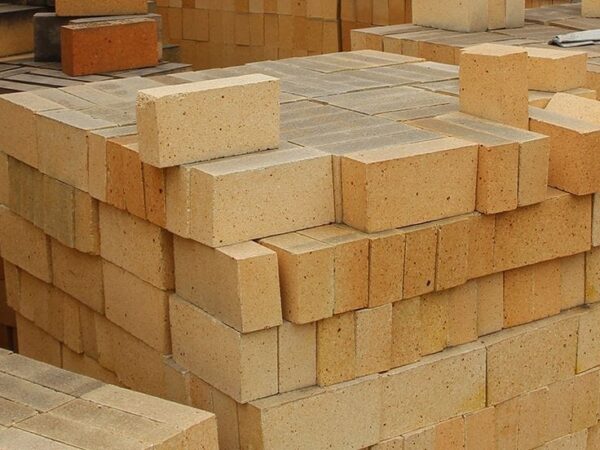
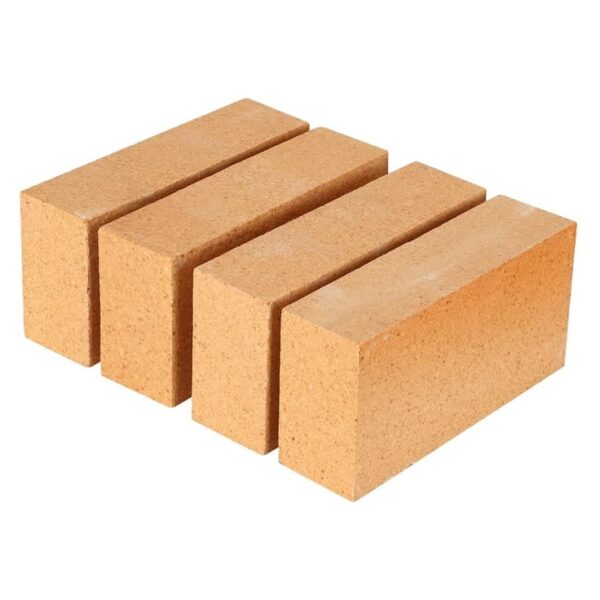
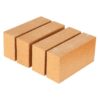
High-density, medium-alumina refractory firebricks designed for high-heat industrial and commercial applications across Kenya and East Africa.
Operating Temperature: Up to 1,350°C
Composition: 38%–42% Alumina (Al2O3)
Standard Dimensions: 230mm×115mm×75 mm (9″ × 4.5″ × 3″)
Key Features: Low thermal conductivity, strong thermal shock resistance, and acid slag resistance
Applications: Boilers, kilns, foundries, pizza ovens, and fireplaces
Product Description.
A 40% alumina firebrick is classified as a super-duty fireclay refractory brick. It balances high thermal resistance, mechanical strength, and cost-efficiency, making it a standard choice for industrial kilns, boilers, and thermal processing equipment.
The raw materials primarily consist of calcined bauxite and refractory fireclay:
Alumina (Al2O3 ): 38%-42% (n0minal 40%)
Silica (siO2): 50%-56%
Iron Oxide (Fe2O3): < 2.0% – 3.0%
Minor Impurities (TiO2,CaO, Alkalis)
Physical & Thermal Performance
Thermal Shock Resistance: Good tolerance to thermal cycling without cracking, spalling, or structural degradation.
Chemical Stability: High resistance to acidic slags and combustion gases.
Mechanical Strength: Robust load-bearing capabilities under continuous exposure to high temperatures.
Low Thermal conductivity: Firebricks reduces heat loss.
Key Technical & Physical Specifications
| Parameter | Specification Range | Typical Value |
| Max Service Temperature | 1,300℃-1400℃ | 1,350℃ |
| Weight | 4.2kgs | 4.2kgs |
| Bulk Density | 2.10 – 2.30 g/cm^3 | 2.25 g/cm^3 |
| Apparent Porosity | 15% – 20% | 16.5% |
| Cold Crushing Strength (CCS) | 350-500kg/cm^2 (>35-50MPa) | 450 kg/cm^2 |
| Refractoriness Under Load (RUL, Ta) | 1300℃-1380℃ | 1350℃ |
| Standard Dimensions | 230mm×115mm×75mm | 9″ ×4.5″ ×3″ |
Industrial Furnaces & Kilns: Interior linings for rotary cement kilns, boiler combustion chambers, reheat furnaces, and ceramic kilns.
Foundries & Steelmaking: Used as safety backup linings in tundishes, ladles, and heat-treatment ovens.
Incinerators & Chimneys: Flue gas ducts, waste incinerators, and high-temperature chimneys where corrosion resistance is essential.
Commercial & Residential Units: Pizza ovens, bakeries, fireplaces, wood stoves, and barbecue pits requiring reliable thermal mass.